Beyond the Box: How to Choose the Right Egg Packaging for Your Poultry Farm?
Confused about plastic vs pulp? Read our ultimate guide on how to choose the right egg packaging for your poultry farm to reduce breakage and boost sales.
Let’s face a hard truth: you spend months optimizing feed ratios, managing coop lighting, and ensuring your hens are the happiest, healthiest ladies in the region. Then, you put their beautiful, hard-earned eggs into a generic container and hope for the best.
— Big mistake.
Your Egg packaging isn’t just a box; it’s your brand’s handshake with the customer. It is also the thin line between a profitable haul and a sticky, expensive mess in the back of your delivery van. The Packing City will help you in this.
Welcome to get a quote about Egg Cartons via E-mail : info@packingcity.com
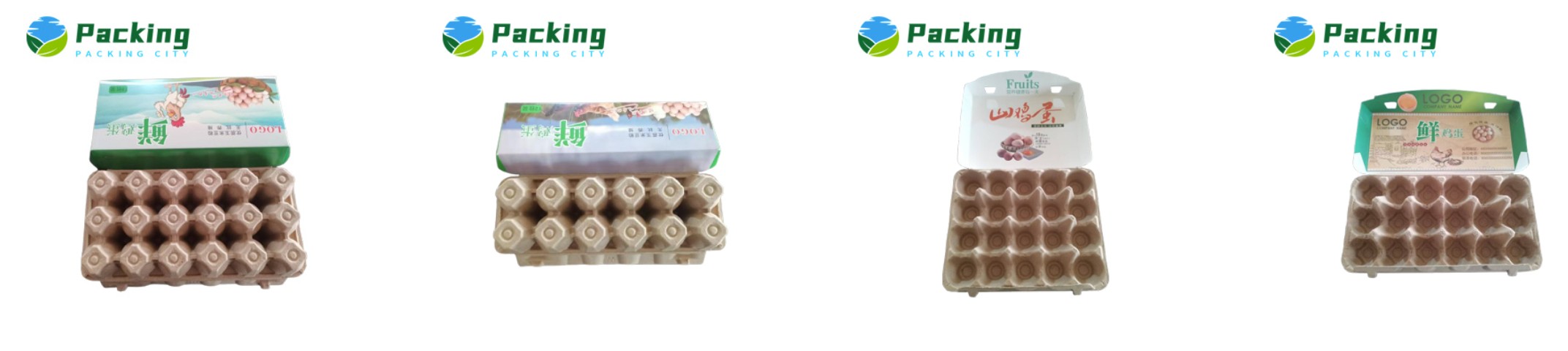
If you are trying to figure out how to choose the right egg packaging for your poultry farm, look past the price-per-piece metric. Here is the ultimate, no-nonsense guide to choosing packaging that protects your profits and your eggs.
1. The Survival Test: Distance & Logistics
Before you look at designs, look at your odometer. How far are your eggs traveling?
The Local/Direct-to-Consumer Farm: If you sell at local farmers’ markets or through a community-supported agriculture (CSA) model, your transport footprint is small. You can lean heavily into custom storytelling packaging.
The Long-Haul Regional Farm: If your eggs are stacked high on pallets and bouncing in trucks to supermarket distribution centers, you need structural engineering.
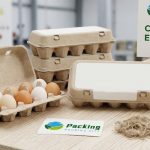
The Insider Secret: Rigid plastic might look tough, but it transfers road vibrations directly to the eggshells. High-quality molded pulp (paper pulp) acts like a natural shock absorber, cradling the eggs and dampening the bumps.
2. The Microclimate Trap: Managing Sweat
Eggs are alive. They breathe, and they are sensitive to temperature changes. When eggs move from a cool packing room to a warm delivery truck, they “sweat” (condensation forms).
Plastic Cartons trap this moisture. It creates a humid microclimate inside the cell—the perfect breeding ground for bacteria and mold.
Molded Pulp Cartons are porous. They absorb excess moisture and allow air to circulate, keeping the eggshells dry and extending shelf life naturally.
If your farm operates in a high-humidity region or your cold chain fluctuates, pulp isn’t just a green choice—it’s a safety choice.
Welcome to get a quote about Egg Cartons via E-mail : info@packingcity.com
3. Brand Alignment: Who is Buying Your Eggs?
Your packaging must match your price point. If you are selling premium, organic, or pasture-raised eggs at a higher price, packing them in cheap, clear plastic sends mixed signals to the consumer.
Modern consumers associate molded paper pulp with rustic authenticity, animal welfare, and environmental responsibility. A textured, earthy pulp carton tells the buyer the product inside is natural before they even open the lid. On the flip side, if you are targeting industrial, high-volume buyers where transparency is the only requirement, clear plastic allows for instant visual inspection. Know your audience.
4. The True Cost of “Eco-Friendly”
“Plastic-free” is no longer a marketing gimmick; it’s a consumer demand. However, as a farm owner, you have to look at the margins.
Fortunately, the packaging industry has evolved. Bamboo pulp and recycled paper molded pulp are now incredibly cost-effective, especially when bought in bulk. Choosing biodegradable packaging eliminates the environmental guilt for your customers and gives you a powerful marketing angle (“Zero-Plastic, 100% Farm-Fresh”) that you can print right on the box.
Welcome to get a quote about Egg Cartons via E-mail : info@packingcity.com
Packing City Co., Ltd. is a premier manufacturer of molded pulp packagings for the interior protection of a wide range of packagings including Sugarcane Bagasse Pulp Egg Cartons, Bamboo Pulp Egg Carton, Wooden Pulp Egg Cartons, Cosmetics Packaging, custom packaging, Cardboard Egg Cartons, clamshells, Paper Pulp Egg cartons and end caps, and Egg Packs, which are made from mainly sugarcane bagasse, recycled paper or other natural fiber, and other Packagings, and ECO Packing Machines.
| Tags:
30 Cells Pulp Egg Carton Factory,
30 Cells Pulp Egg Carton manufacturer,
africa egg carton,
African egg carton factory,
America Egg Carton,
American Egg Carton Factory,
American Egg Packaging companies,
Argentina EGG box,
Argentina egg carton,
asia egg carton,
asia paper egg carton,
Australia Egg Box,
Australia egg carton,
Bahamas Egg Boxes,
Bahamas egg carton,
Bahrain Egg Carton,
Barbados Egg carton,
Barbados Egg Packaging,
Biodegradable Egg Pack,
biodegradable industrial packaging,
biodegradable packaging,
Blank Egg Packs,
Blank pulp egg cartons,
Bolivia egg box,
Bolivia Egg carton,
Botswana Egg Carton,
Brasil egg box,
Brasil egg carton,
Canada Egg Carton,
Cartones De Huevos,
Cheap Cost Egg Boxes,
Chile Egg Carton,
Chile Egg Packaging,
China egg box wholesale,
China pulp egg carton factory,
Colombia Egg Cartons Factory,
Colombia Egg Cartons manufacturer,
Color Pulp Basket,
Color Pulp Paper Basket,
Corrugated Paper Egg box,
corrugated pulp egg cartons,
Costa Rica egg boxes,
Costa Rica egg carton factory,
Custom Egg Packaging,
Customized 30 Cells Pulp Egg Carton Factory,
Customized Pulp Egg Carton factory,
Customized Pulp Egg Carton Manufacturers,
Dominicana Egg carton,
Dominicana egg tray production,
Dubai Egg Box,
Dubai egg boxes,
Dubai egg carton supplier,
Dubai Egg Carton Tray,
dubai egg tray,
eco egg box,
eco egg carton,
Eco Paper Egg Carton,
eco-friendly egg tray manufacturer,
Ecuador egg Tray,
egg box container,
egg box factory,
egg box factory price,
egg box manufacture,
Egg Box sale,
egg box wholesaler,
egg boxes Europe manufacture,
Egg Boxes Family,
egg boxes for sale,
egg boxes manufacture,
egg boxes production,
egg carton china factory,
egg carton exporter,
Egg Carton factory Cost,
egg carton factory USA,
egg carton import,
Egg Carton Manufacturer,
Egg Carton Price,
egg carton production,
EGG Carton UAE,
egg carton wholesale,
egg carton wholesaler,
Egg Cartons Family,
egg pack,
Egg Pack Producer,
egg packs,
Egg pulp pack,
Egg Pulp Paper Carton,
EGG Tray Dubai,
egg tray factory,
egg tray manufacturer,
Egypt Egg Cartons,
eierverpackung,
Eierverpackungen,
Eierverpakking,
El Salvador Egg Cartons,
Estojo Ovos,
ESTOJO PARA 10 OVOS,
ESTOJO PARA 12 OVOS,
ESTOJO PARA 6 OVOS,
ESTOJO PARA 6 OVOS Fabricante,
Estojo Para Ovos,
Estojo Para Ovos Fabricante,
Europe Egg box,
Europe Egg Box Pack,
Europe egg boxes,
Europe Egg Carton,
Europe Egg Carton Factory,
Europe Egg Carton Manufacturer,
Europe Egg Pack Boxes,
Europe label egg box,
europe market egg box,
europe mold egg box,
Fábrica Pulpa Huevo Cartones,
factory sale egg box,
farm egg box,
farm egg carton,
Farm Egg Carton Tray,
fiber egg cartons,
foshan egg carton,
free range egg box,
futing paper egg box,
green egg box,
Green Egg Box with Label,
Green Egg Carton Factory,
green packaging,
green pulp egg cartons,
guagnzhou pulp egg carton,
Guatemala egg box production,
Guatemala Egg Carton,
Honduras Egg Carton,
how to reduce egg breakage in transit,
Hueveras,
Huevo Cartones,
Huevo Cartones Fábrica,
Israel egg cartons,
Jamaica egg box,
Jamaica Egg Carton Factory,
Kenya egg boxes,
Kenya Egg carton,
Kuwait egg carton,
Low Price Egg pulp box. egg box china factory,
Luxembourg Egg Box,
manufacture egg box,
Mauritius egg carton,
Mauritius Egg Cartons,
Mauritius Egg Pack Factory,
Mauritius egg tray,
Mexican egg boxes,
Mexican egg carton,
Moba,
Moba Egg Carton,
Moba egg carton tray,
Moba Egg Packs,
Moba Egg Trays,
Moba Egg Trays Packing,
Moba eggs,
Moba Pack,
Moba Packing,
Moba Packing Egg Boxes,
Moba Packing Egg Carton,
Moba Packing Egg Trays,
Moba packing eggs,
Molded Pulp crafts,
Molded pulp egg cartons,
Molded Pulp Egg Cartons Pack,
molded pulp egg cartons vs plastic,
Molded Pulp Egg Packaging,
Morocco egg box,
Moulded fibre egg packaging,
Natural Color Egg Carton,
New Zealand Egg Boxes,
Nicaragua egg boxes,
Nigeria egg tray,
Oman Egg box,
online egg boxes sell,
Orange Egg Carton Factory,
Packing city,
Panama egg box,
Panama egg carton,
Paper Egg Box Market,
Paper Egg Boxes dubai,
Paper Egg Boxes qatar,
Paper Egg Boxes UAE,
paper egg cases,
paper egg packs,
Paper Pulp Egg Packs,
paper pulp egg tray dubai,
Paper Pulp Shoe Inserts,
Paraguay Egg Box,
Paraguay egg Boxes Factory,
Peru egg box,
Peru Egg Carton,
pink pulp egg carton,
Pint Pulp Container,
plastic vs pulp packaging,
Plastics Egg Boxes,
Polpa ESTOJO PARA 6 OVOS,
Polpa ESTOJO PARA 6 OVOS Fabricante,
Polpa Estojo Para Ovos,
Polpa Estojo Para Ovos Fabricante,
potato container,
Poultry egg pulp carton,
Printing egg box,
pulp basket,
Pulp Berry Tray,
Pulp Craft,
pulp egg box,
Pulp Egg Box Packing,
Pulp Egg Boxes Family,
Pulp Egg Boxes Family factory,
Pulp Egg Carton Box,
pulp egg carton factory,
pulp egg cartons,
Pulp Egg Cartons Family,
pulp egg case,
pulp egg pack boxes,
Pulp Egg Packaging Carton,
pulp egg packs,
Pulp Family,
Pulp Fiber Packaging,
pulp mold,
Pulp Molding,Molded Pulp packaging Factory,
pulp pack eggs,
pulp package,
pulp packaging,
pulp packaging factory,
Pulp Paper Basket,
Pulp Paper Mask,
pulp paper packaging,
pulp shoe tray,
pulp shoe tree,
pulp tray packaging,
Pulpa Cartones De Huevos,
Pulpa Cartones De Huevos China,
Pulpa Huevo Cartones Fábrica,
Qatar egg box Factory,
Qatar Egg Boxes Production,
Saudi Arabia egg carton,
sell Europe Egg Pack,
Seychelles Egg Boxes,
shandong egg box,
shenzhen pulp egg box,
Shoe inserts,
Shop Egg Cartons,
shopping egg cartons,
South Africa Egg packaging,
Split-6 Pulp Egg Box,
Split-6 Pulp Egg Carton factory,
Split-6 Pulp Egg Pack,
sugarcane bagasse tray,
sustainable egg packaging,
sustainable egg packaging for farms,
Sweden Egg Box,
Tanzania egg carton,
Tunisia egg boxes,
Turkey Fresh Egg Export carton,
UAE egg box,
UAE Egg Box Packaging Carton,
UAE Egg Carton Tray Factory,
UAE Egg trays,
UAE paper egg boxes Factory,
UAE pulp egg tray,
uk egg box,
Uruguay egg carton,
Uruguay Pulp Egg Packaging,
US Egg carton,
USA 30 Cells Pulp Egg Carton Factory,
USA egg boxes,
USA Egg carton,
USA eGG Packaging,
USA EGG Trays Factory,
USA Farm Egg Carton Tray,
USA Wholesaler Egg Carton,
White Pulp Packaging,
White Pulp Packaging Trays,
Wholesale Egg boxes,
Wholesale Egg Cartons,
Wholesale Paper Egg boxes,
Wholesale Paper Egg Cartons,
Wholesale Pulp Egg Cartons,
Wholesaler Egg Carton,
エッグボックス,
エッグボックスファクトリー,
パルプエッグボックス,
パルプエッグボックスファクトリー,
パルプ卵トレイ,
パルプ卵トレイ工場,
卵トレイ,
卵トレイ工場,
卵パックの販売,
卵販,
養鶏場,
養鶏場卵,
養鶏場卵パックの販売